Craft beer has grown tremendously over the past decade. More people want to understand how their favorite brews are made. The process involves several critical stages that transform simple ingredients into complex beverages, and just as industries like amerikaanse online casino operations require precise steps and attention to detail, brewing demands the same level of care. Each stage affects the final taste, aroma, and quality.
The journey from grain to glass takes weeks. Brewers must carefully control temperature, timing, and ingredient ratios. Understanding these stages helps you appreciate the craft behind every pint.
Malting – The Foundation Stage
Malting prepares barley for brewing. Grains are soaked in water until they begin to sprout. This process activates enzymes that convert starches into fermentable sugars.
Once sprouting begins, the grains are dried in a kiln. The temperature and duration determine the malt’s color and flavor. Darker malts create richer, more complex beers.
Different malt varieties provide unique characteristics. Some add sweetness while others contribute nutty or caramel notes. Brewers select malts based on their desired beer style.
Mashing – Extracting the Sugars
Mashing combines crushed malt with hot water. The mixture creates a thick porridge called mash. Enzymes break down remaining starches into fermentable sugars during this stage.
Temperature matters significantly here. Most brewers maintain temperatures between 148-158°F. Lower temperatures produce drier beers. Higher temperatures create fuller-bodied brews with more residual sweetness.
The mashing process typically lasts 60-90 minutes. Brewers test the liquid to ensure complete sugar conversion. They adjust time and temperature as needed.
Key Mashing Variables
Understanding what affects mashing helps explain beer diversity:
- Water chemistry. The mineral content influences enzyme activity and flavor development. Brewers often adjust their water to match specific beer styles.
- Grain ratios. Different proportions of base malts and specialty grains create unique profiles. Small changes in ratios produce noticeable differences in the final product.
Lautering and Sparging
Lautering separates the liquid wort from the spent grain. The sweet liquid drains through a false bottom. This process requires patience and careful monitoring.
Sparging rinses remaining sugars from the grain bed. Hot water slowly sprinkles over the grains. The goal is to extract maximum sugars without pulling harsh tannins.
Brewers collect the wort in a kettle. They measure sugar content using a hydrometer or refractometer. This reading helps predict the beer’s final alcohol level.
Boiling – Adding Flavor and Stability
The boil sterilizes the wort and concentrates sugars. Most boils last 60-90 minutes. This stage also drives off unwanted volatile compounds.
Hops enter during the boil. Early additions contribute bitterness. Late additions add aroma and flavor without much bitterness. Some brewers add hops at multiple intervals.
The boil creates a hot break. Proteins coagulate and separate from the liquid. Removing these proteins improves beer clarity and stability.
Cooling and Fermentation
Rapid cooling prevents contamination. Heat exchangers drop temperatures quickly. Yeast dies above certain temperatures, so speed matters.
Once cooled, brewers transfer wort to fermentation vessels. They pitch yeast at specific temperatures. Ale yeasts prefer warmer conditions than lager yeasts.
Fermentation transforms sugars into alcohol and carbon dioxide. This stage can last days to weeks. Temperature control remains critical throughout.
Fermentation Factors
Several elements influence fermentation success:
- Yeast health. Fresh, viable yeast produces clean flavors and complete fermentation. Old or stressed yeast creates off-flavors and incomplete sugar conversion.
- Oxygen levels. Initial oxygen helps yeast multiply and start fermentation strongly. Too much oxygen later causes oxidation and stale flavors.
Conditioning and Maturation
After primary fermentation, beer needs time. Conditioning allows flavors to mellow and integrate. Young beer often tastes harsh or unbalanced.
Cold conditioning drops remaining yeast and proteins. The beer becomes clearer during this phase. Some styles benefit from extended aging periods.
Brewers may dry hop during conditioning. This adds fresh hop aroma without additional bitterness. The process creates intensely aromatic beers.
Carbonation and Packaging
Carbonation adds the signature fizz. Some brewers add priming sugar for natural carbonation. Others force carbonate using CO2 tanks.
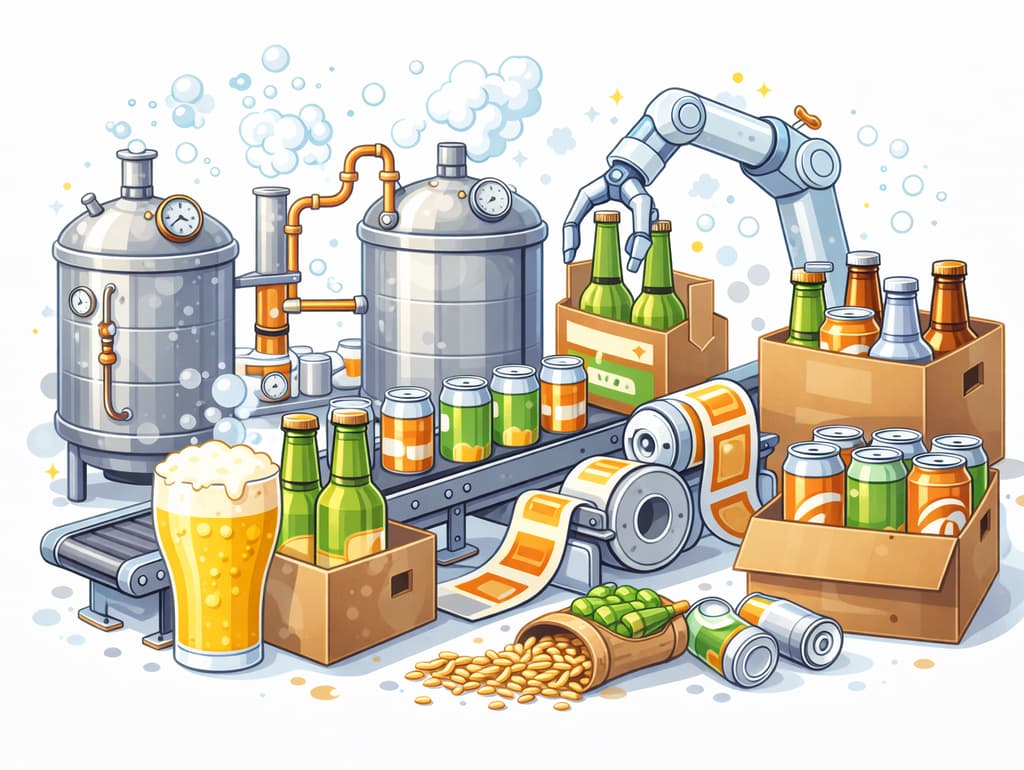
Different styles require different carbonation levels. Light lagers need more fizz than heavy stouts. Proper carbonation enhances aroma and mouthfeel.
Packaging preserves the beer’s quality. Bottles and cans protect against light and oxygen. Proper sealing prevents contamination and extends shelf life.
Quality Control Throughout
Every stage demands attention to detail. Brewers test pH, gravity, and temperature regularly. Small deviations can create major problems.
Sanitation prevents unwanted microorganisms from ruining batches. Brewers thoroughly clean and sanitize all equipment. A single contaminated surface can spoil an entire batch.
Tasting the beer throughout production helps identify issues early. Experienced brewers detect subtle flaws that laboratory tests might miss. Does the beer taste right at each stage?
The craft brewing process combines science and art. Each decision affects the final product. Understanding these stages deepens appreciation for the brewer’s skill and dedication.